

Effective Trauma Release Techniques for Emotional Healing
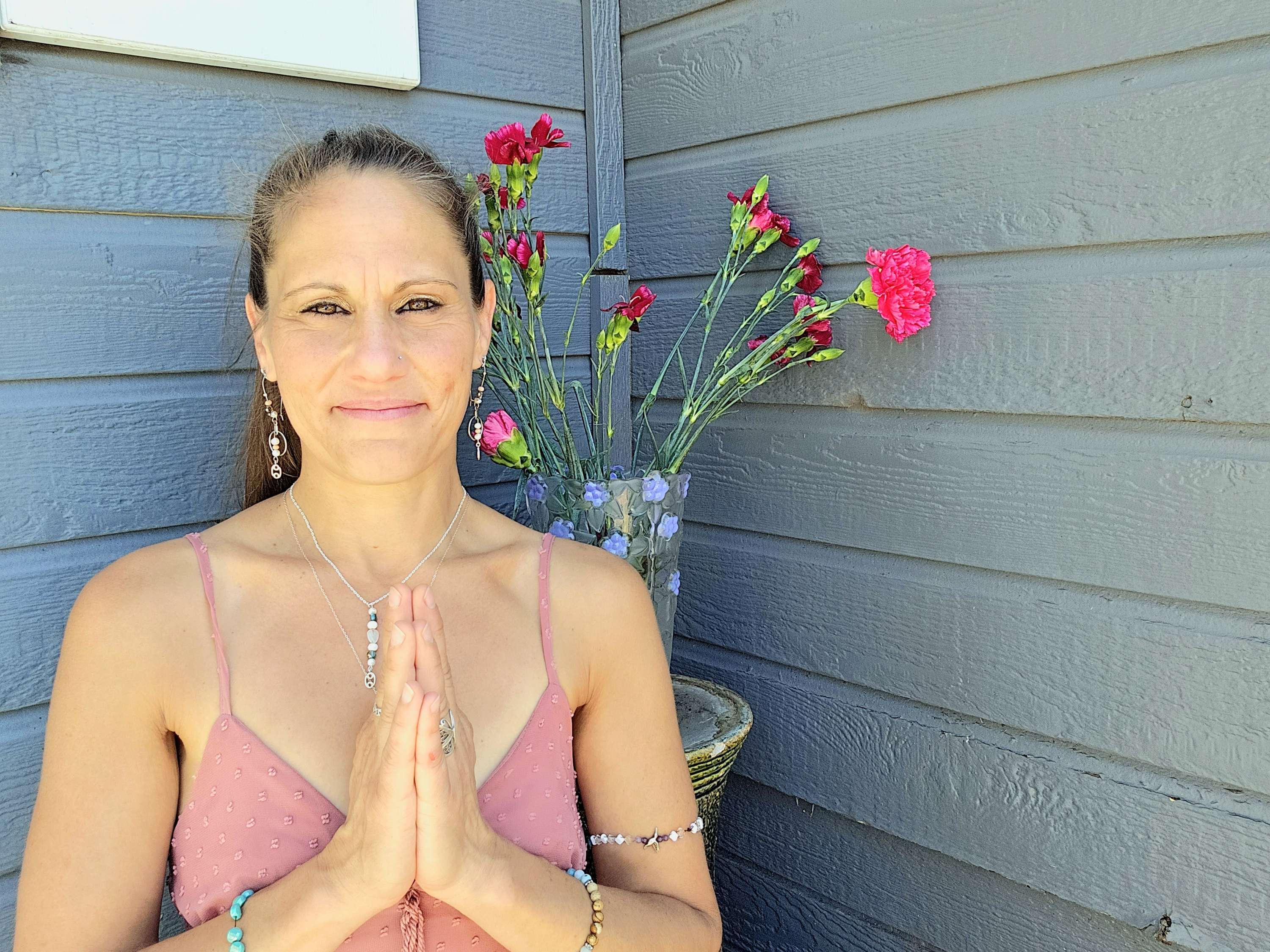
Healing from emotional wounds can feel like a long journey, but it’s one worth taking. When we carry trauma inside us, it often manifests in ways that affect our daily lives—our relationships, our self-esteem, and even our physical health. The good news? There are gentle, effective ways to release these burdens and move toward emotional freedom. Today, I want to share some powerful emotional release methods that have helped many find peace and resilience. Together, we’ll explore practical steps you can take to nurture your healing process.
Understanding Emotional Release Methods: What They Are and Why They Matter
Emotional release methods are tools and practices designed to help us let go of pent-up feelings, stress, and trauma stored in our bodies and minds. These methods encourage us to face our emotions safely and express them in healthy ways. When we do this, we create space for healing and growth.
Some common emotional release methods include:
Breathwork: Deep, intentional breathing to calm the nervous system.
Mindfulness and meditation: Observing thoughts and feelings without judgment.
Movement therapies: Such as yoga or dance, which help release tension physically.
Expressive arts: Drawing, writing, or music to channel emotions creatively.
Tapping techniques: Using acupressure points to reduce emotional distress.
Each of these methods offers a unique path to reconnect with yourself and your feelings. You might find that one resonates more than others, or that a combination works best for you. The key is to approach these practices with kindness and patience.

What are the 4 C's of trauma?
To better understand how trauma affects us, it helps to know about the 4 C's of trauma. These are four common experiences or feelings that often accompany traumatic events:
Control - Trauma often involves a loss of control, leaving us feeling powerless.
Connection - Trauma can disrupt our sense of connection with others or ourselves.
Consistency - Traumatic experiences may shatter our sense of safety and predictability.
Coherence - Trauma can make it hard to make sense of what happened, leading to confusion.
Recognizing these elements can help us identify what we need to heal. For example, rebuilding a sense of control might involve setting small, manageable goals. Restoring connection could mean seeking supportive relationships or therapy. Finding consistency might include establishing daily routines that feel safe. And gaining coherence often requires processing the trauma through reflection or professional guidance.
Understanding these 4 C's reminds us that healing is multifaceted. It’s not just about feeling better emotionally but also about restoring balance in our lives.

Exploring Practical Trauma Release Techniques for Healing
Now, let’s dive into some practical trauma release techniques that you can start using today. These methods are designed to be accessible and empowering, helping you take control of your healing journey.
1. Emotional Freedom Technique (EFT) Tapping
EFT tapping combines gentle tapping on specific acupressure points with focused breathing and affirmations. This technique helps calm the nervous system and reduce emotional intensity. You can do it anywhere, anytime, making it a handy tool for moments of stress or anxiety.
How to try it:
Identify a feeling or memory that feels heavy.
Rate the intensity of this feeling on a scale from 0 to 10.
Tap gently on points like the side of your hand, under your eyes, or on your collarbone while repeating a phrase like, “Even though I feel this way, I deeply and completely accept myself.”
After a few rounds, check your intensity rating again. You might notice it has decreased.
2. Breathwork for Grounding
Breath is a powerful anchor to the present moment. When trauma triggers overwhelm, slow, deep breathing can help ground you and reduce panic.
Try this simple exercise:
Inhale slowly through your nose for a count of four.
Hold your breath for a count of four.
Exhale gently through your mouth for a count of six.
Repeat for several minutes until you feel calmer.
This practice helps regulate your nervous system and brings you back to a place of safety.
3. Movement and Body Awareness
Trauma often gets stuck in the body. Moving gently through yoga, stretching, or even walking can help release tension and reconnect you with your physical self.
Tips to get started:
Choose movements that feel good, not forced.
Pay attention to areas of tightness or discomfort.
Breathe into those areas as you move.
Consider guided trauma-sensitive yoga classes if you want extra support.
4. Creative Expression
Sometimes words aren’t enough to express what we feel. Drawing, painting, writing, or playing music can open new pathways for emotional release.
Ideas to try:
Keep a daily journal where you write freely about your feelings.
Use colors and shapes to represent your emotions on paper.
Create a playlist of songs that resonate with your mood.
Creative outlets can be deeply healing and provide a safe space for your inner world.

How to Create a Safe Space for Emotional Healing
Before diving into any emotional release method, it’s important to create a safe and supportive environment. This helps you feel secure enough to explore difficult feelings without overwhelm.
Here are some ways to build that safe space:
Choose a quiet, comfortable spot where you won’t be disturbed.
Set a time limit for your practice, especially if you’re new to emotional work.
Have comforting items nearby, like a soft blanket, a favorite candle, or a cup of tea.
Use grounding techniques if you start to feel overwhelmed (like holding a cold object or focusing on your feet on the floor).
Reach out for support if needed, whether from a trusted friend, therapist, or support group.
Remember, healing is a process. It’s okay to take breaks and go at your own pace. Your emotional well-being is the priority.
Embracing Your Journey Toward Emotional Freedom
Healing from trauma is not about forgetting or erasing the past. It’s about learning to live with greater peace and resilience despite what you’ve experienced. By incorporating emotional release methods into your daily life, you empower yourself to break free from old patterns and step into a brighter future.
If you’re ready to explore more personalized support, consider reaching out to professionals who specialize in trauma healing. Techniques like trauma release techniques can be tailored to your unique needs, helping you unlock lasting emotional freedom.
You deserve to feel whole, safe, and joyful. Take one gentle step today toward that beautiful possibility.
Thank you for joining me on this journey. Remember, healing is within your reach, and every small effort counts. Be kind to yourself—you are doing important work.


Comments